
Devon Vogel · 15 October 2026
Tracing Links Between Proposed School Financing Overhauls and Shifts in Overseas Assistance Programs Alongside Domestic Retirement Benefit Talks
Policy analysts have examined connections among proposals to restructure school financing, adjustments to overseas assistance programs, and ongoing discussions about domestic retirement benefits, particularly as fiscal frameworks evolve through 2026. These areas intersect through shared budgetary mechanisms where allocations for education, foreign aid, and pension systems draw from overlapping revenue streams and legislative priorities. In October 2026, several government reports highlighted how proposed changes in one sector often prompt reevaluations in others due to deficit targets and spending caps that remain in place across multiple jurisdictions.
School Financing Proposals and Their Fiscal Context
Recent legislative drafts in various regions have outlined shifts away from traditional per-pupil funding models toward performance-based allocations that tie resources to measurable outcomes in literacy and graduation rates. Data from national education departments shows these overhauls aim to address long-standing disparities between urban and rural districts, yet they require substantial upfront investments in assessment systems and teacher training programs. Observers note that such initiatives frequently compete for funds with other mandatory spending categories, creating pressure points that extend beyond domestic borders when total budget envelopes stay fixed.
Adjustments in Overseas Assistance Programs
Shifts in foreign aid have included reallocations from bilateral grants toward multilateral climate resilience funds and targeted health initiatives, according to figures released by the OECD Development Assistance Committee. These changes reflect evolving strategic priorities where donor countries seek greater efficiency through pooled resources rather than standalone projects. Evidence from program evaluations indicates that reductions in certain assistance lines have coincided with domestic debates over how savings might offset increases elsewhere, including education infrastructure grants that face shortfalls in multiple states.
Domestic Retirement Benefit Discussions
Conversations around retirement systems have centered on sustainability measures such as gradual adjustments to eligibility ages and contribution rates, with actuarial projections from government agencies pointing to widening gaps between inflows and outflows by the early 2030s. Researchers at institutions tracking social security data have documented how proposed reforms often incorporate triggers linked to overall economic performance, which in turn influences discretionary spending decisions. Those who follow these talks observe that retirement outlays, as entitlement programs, hold protected status in many budgets, leaving variable accounts like foreign aid and supplemental education funds more exposed during reconciliation processes.
Interconnections Across Policy Domains
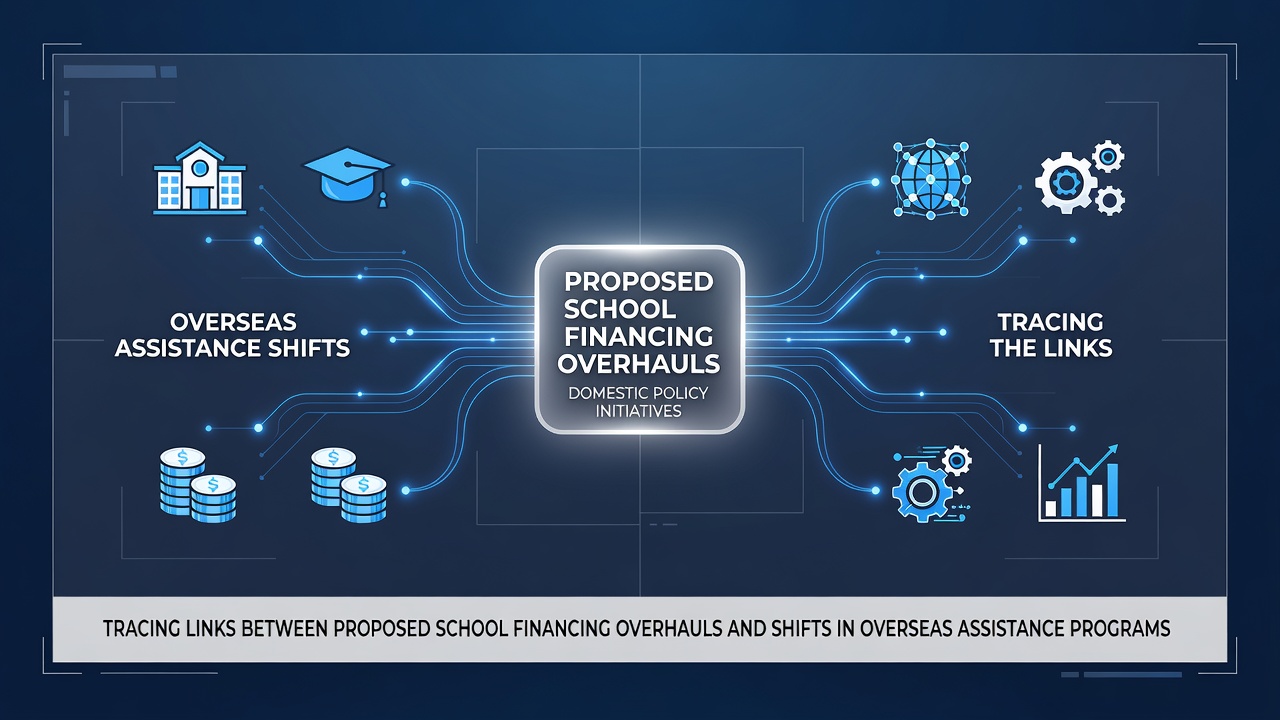
Budget reconciliation packages frequently bundle elements from these three areas because total discretionary authority remains constrained by debt ceiling agreements renewed in prior sessions. Congressional Budget Office analyses, alongside parallel reviews from the European Central Bank economic reports, demonstrate that increases in school financing commitments can prompt corresponding reductions in overseas programs when lawmakers maintain overall spending ceilings. At the same time, retirement benefit adjustments that slow the growth of future liabilities free up projected resources that some proposals redirect toward education modernization efforts. This dynamic has appeared in draft legislation considered during 2026 sessions where offsets for one category derive from efficiencies identified in another.
Case examples from federal planning documents illustrate the pattern: a proposed expansion of early childhood education grants in one jurisdiction drew partial funding from streamlined foreign technical assistance contracts, while retirement contribution reforms provided accounting headroom through delayed outlays. Data indicates these linkages arise not from direct causation but from the arithmetic of unified budget scoring that treats all non-defense discretionary items within the same competitive pool. International comparisons reveal similar patterns in countries that maintain integrated fiscal planning frameworks, where education ministries coordinate with development agencies and social security boards during annual estimates exercises.
Conclusion
Tracing these connections reveals how proposed school financing changes, overseas assistance realignments, and retirement benefit talks operate within a single fiscal ecosystem shaped by legislative caps and revenue forecasts. October 2026 updates from multiple oversight bodies have underscored the ongoing nature of these intersections, with data continuing to show that adjustments in one domain carry measurable implications for the others through shared allocation processes.